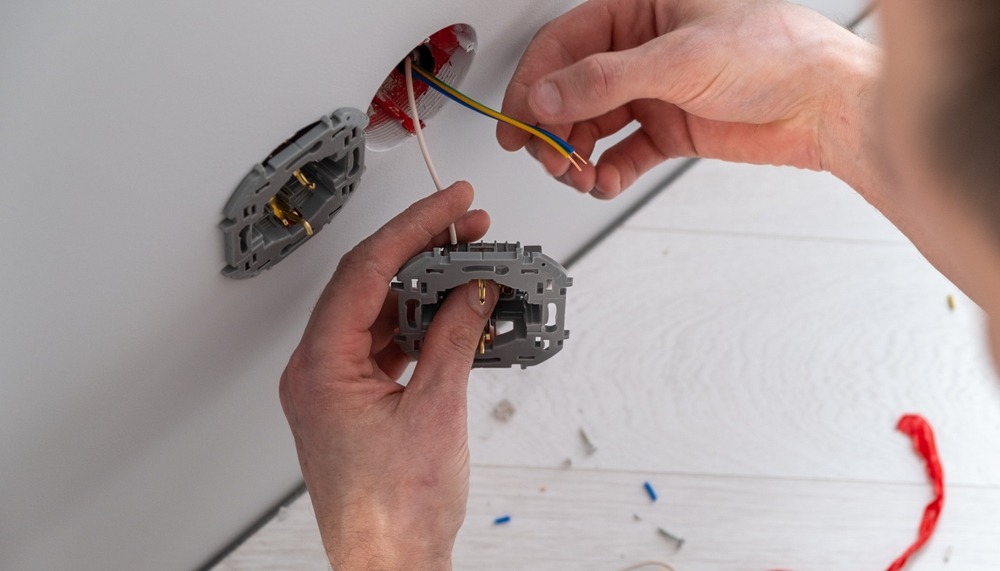
Planning a home electrical renovation can feel overwhelming, especially if you have never gone through the process before. Between design decisions, safety considerations, and coordination with other home improvement projects, it helps to understand what actually happens behind the scenes. A well planned electrical renovation improves comfort, supports modern technology, and reduces risk tied to outdated systems.
Why Homeowners Choose Electrical Renovations
Electrical renovations often go hand in hand with larger construction projects, but many upgrades happen on their own. As homes age and electrical demand increases, systems need attention to keep up with modern power needs. Common reasons homeowners pursue renovations include upgrading electrical wiring, adding home automation features, improving lighting, and addressing safety hazards.
Step One: Initial Electrical Inspection and Planning
Every successful electrical renovation starts with a thorough inspection. This step helps identify existing conditions and potential hazards before work begins.
Evaluating Existing Electrical Systems
An electrician will inspect components such as:
- Electrical wiring and wire condition
- Circuit breaker capacity and fuse panels
- Ground connections and bonding
- Electrical load demands across the home
This inspection helps determine what can remain and what needs upgrading to meet current electrical code requirements, including the National Electric Code.
Designing the Electrical Layout
Once the inspection is complete, planning begins. Design discussions focus on how electricity will support your renovation goals. This may include kitchen lighting layouts, bathroom outlets, ceiling fan placement, or automation features.
At this stage, homeowners often plan for additions like dimmer controls, surge protector installation, smart thermostat upgrades, or a charging station for an electric vehicle.
Step Two: Permits, Codes, and Safety Preparation
Electrical renovations are regulated for a reason. Proper permits and code compliance protect homeowners from long term safety risks.
Following Electrical Code Requirements
Licensed electrical contractors follow local electrical code standards as well as national electric code guidelines. These rules govern how electrical wiring is installed, how circuits are protected, and how systems are grounded. Meeting code requirements reduces fire risk and protects your home from future inspection issues during resale.
Preparing the Work Area
Before construction begins, power may be shut off to specific areas. Safety measures are put in place to protect occupants, workers, and existing systems. This step minimizes hazard exposure during renovation work.
Step Three: Upgrading Wiring, Panels, and Circuits
Once preparation is complete, the physical renovation work begins. This stage addresses the core of your electrical system.
Electrical Wiring and Circuit Upgrades
Older homes often lack the wiring capacity needed for modern energy demands. Renovations may involve replacing outdated wire, adding new circuits, or redistributing electrical load. Upgrading a circuit breaker panel allows the system to handle increased power use from appliances, lighting, and technology without overload.
Adding Protection and Control
Modern electrical renovations often include safety and control upgrades such as:
- Surge protector installation for sensitive equipment
- Updated switches and power strip locations
- Improved grounding for added protection
These updates improve both safety and everyday convenience.
Step Four: Installing New Electrical Features
With the core system updated, attention turns to new features that support comfort, security, and efficiency.
Lighting, Fans, and Comfort Systems
Lighting plays a major role in both design and usability. During renovations, electricians install new lighting layouts, ceiling fan wiring, and dimmer controls to match the space.
Thermostat upgrades are also common. A smart thermostat offers better temperature control and supports energy management across seasons.
Home Automation and Security Features
Many homeowners use renovations as an opportunity to integrate home automation. This may include automation systems for lighting, climate control, and security. Popular additions include:
- Security alarm and security system wiring
- Fire alarm system and smoke detector upgrades
- Integration of smart technology throughout the home
These features increase safety while supporting modern living.
Step Five: Room Specific Electrical Work
Electrical needs vary by room, and renovations often focus on high use areas. The kitchen requires careful electrical planning due to appliances, lighting, and outlets near water. Dedicated circuits support ovens, dishwashers, and countertop appliances while maintaining safety. Bathrooms require proper grounding and protected outlets to reduce risk. Electrical upgrades in these spaces must meet strict safety standards due to moisture exposure.
Step Six: Final Inspection and System Testing
After installation is complete, the renovation enters its final stage.
Electrical Inspection and Testing
An inspection verifies that all electrical service work meets code requirements. Systems are tested for proper power flow, correct voltage, and reliable operation. This step confirms that upgrades were completed safely and that no hidden hazard remains behind walls or fixtures.
Long Term Maintenance Considerations
Electricians often provide maintenance guidance following renovations. This includes advice on breaker management, power usage, and signs of electrical trouble to watch for over time. Proper maintenance helps extend the life of your electrical system and protects your investment.
Why Professional Electrical Service Matters
Electrical renovations involve more than swapping fixtures or adding outlets. They require technical knowledge, safety awareness, and experience with complex systems. A licensed electrical contractor understands how electricity behaves within a home and how to reduce risk while supporting modern needs. It is not about shortcuts. It is about building a system that supports your home improvement goals safely and reliably.
Schedule Your Home Electrical Renovation With Grasser Electric
A home electrical renovation is an opportunity to improve safety, functionality, and comfort while preparing your home for future technology. From inspections and design to installation and final testing, professional guidance makes all the difference.
At Grasser Electric, our experienced electricians handle electrical renovations with care, precision, and respect for your home. We provide reliable electrical service, thoughtful planning, and workmanship that supports long term performance.
If you are planning renovations or considering electrical upgrades, contact Grasser Electric today to schedule an inspection and start building a safer, more capable electrical system for your home.