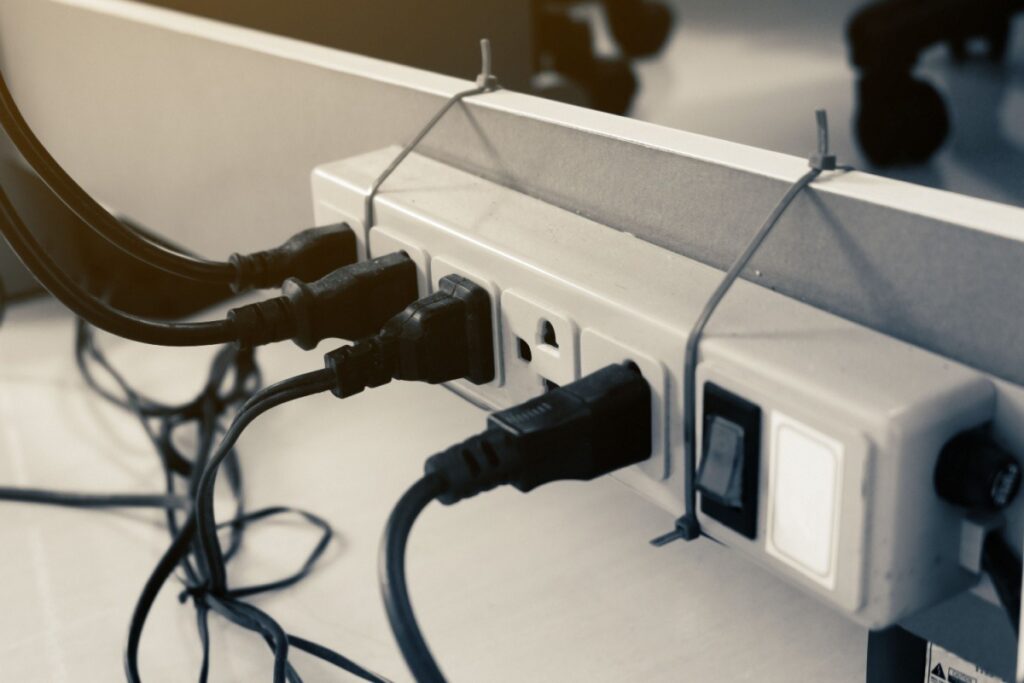
Electricity makes daily life simple and comfortable, but when used carelessly, it can also create serious risks. Power strips and extension cords are convenient tools for bringing power to multiple devices, yet they’re also among the most common causes of household electrical fires. With the right habits, you can use these tools safely and protect your home and family from preventable hazards.
Every homeowner has used an extension cord at some point, but few realize how much heat and stress can build up when cords are overloaded or misused. Whether you’re plugging in a computer, a slow cooker, or a space heater, safety begins with understanding how these cords work and how much power they can handle.
Why Power Strip and Extension Cord Safety Matters
While power strips and extension cords extend the reach of your outlets, they also create additional connection points for potential failure. Each power cord carries current measured in amperes, and too much current can cause it to overheat. When too much heat builds up, insulation melts, sparks form, and fire hazards develop behind furniture or walls.
According to the Occupational Safety and Health Administration (OSHA), improper use of electrical cords is one of the top causes of workplace and household electrical fires. When cords are damaged, used incorrectly, or hidden where they can’t be inspected, they become a silent danger. Because of this, OSHA and the National Electrical Code both require that electrical wiring and accessories meet strict safety standards.
Fire prevention starts with awareness. Knowing the limits of your electrical cords, choosing the right products, and inspecting them regularly are simple ways to avoid dangerous situations.
Choosing the Right Power Strip or Extension Cord
Not all power strips and extension cords are created equal. Each product is designed for a specific load capacity, environment, and application. Before plugging anything in, review the cord’s rating to make sure it can handle the voltage and amperage your devices require.
Key things to look for:
- Certification: Look for cords certified by testing laboratories such as UL (Underwriters Laboratories) or ETL. These certifications confirm the cord meets national safety standards.
- Gauge and length: A lower gauge number means a thicker wire and higher capacity. Long cords reduce power efficiency and generate more heat, so choose the shortest cord that still reaches your destination.
- Purpose: Use outdoor electrical cord protectors and cords designed specifically for outdoor use during severe weather or snow. Indoor cords are not built to withstand moisture or extreme temperatures.
- Switch and surge protection: A power strip with an integrated switch or circuit breaker adds another layer of safety. For sensitive electronics like computers, choose a surge-protected strip that guards against voltage spikes caused by lightning or grid fluctuations.
Avoid cheap, uncertified cords or those with poor packaging that do not list voltage or ampere ratings. If the labeling looks suspicious, the cord likely doesn’t meet the safety standards required by the National Electrical Code.
Common Extension Cord and Power Strip Hazards
Unsafe cord use often begins with convenience. People place cords where they’re least visible or most out of the way, not realizing those decisions increase risk. Some of the most frequent hazards include:
- Cords under rugs or furniture: Electrical cords under rugs can overheat without you noticing. The heat has nowhere to dissipate, increasing the risk of ignition. Furniture can also pinch or crush cords, damaging insulation and exposing wire.
- Daisy chaining: Plugging one power strip into another may seem like a way to expand access, but this practice multiplies the current load and increases fire risk. Each strip has a limit, and chaining them together can exceed that limit instantly.
- Moisture exposure: Using power strips in bathrooms, kitchens, or damp basements exposes them to water. Even small amounts of moisture can create short circuits.
- Improper storage: Coiling cords tightly or leaving them tangled restricts airflow, leading to increased heat buildup. Extension cord safety depends on keeping cords untwisted and away from heat sources.
How to Use Power Strips and Extension Cords Safely
Practicing safe habits is key to preventing electrical accidents. Keep these electrical cord safety tips in mind for your home or workplace.
General Guidelines
- Plug major appliances, such as air conditioners, microwaves, and space heaters, directly into wall outlets rather than into a power strip. These devices use too much power to share a circuit safely.
- Keep cords visible, and avoid running them beneath carpeting or heavy furniture.
- Unplug cords by gripping the plug, not the wire, to avoid damaging the internal connections.
- Store cords neatly after use to prevent tangling and make damage easier to spot.
Fire Safety and Prevention
- Use power strips with built-in circuit breakers. If the strip overheats, the breaker will automatically cut power.
- Keep a fire extinguisher nearby in high-risk areas such as kitchens and garages.
- Check plugs and sockets regularly for discoloration or signs of heat.
- Replace frayed cords immediately. A damaged jacket or exposed wire creates an instant hazard.
- Avoid plugging multiple heat-generating devices, such as slow cookers or space heaters, into one outlet.
Specific Area Tips
- Kitchen: Appliances like microwave ovens and coffee makers require dedicated outlets. Plugging them into power strips increases the risk of overload.
- Bathroom: Keep all electrical cords and devices away from sinks and bathtubs. Moisture dramatically increases the risk of shock.
- Office: Computers, printers, and chargers draw constant current. Use surge protectors with adequate joule ratings to protect against sudden power surges.
- Garage and outdoor spaces: When using power tools or outdoor lighting, only use cords labeled for outdoor use, and protect connections from rain and snow.
Understanding Electrical Load and Circuit Capacity
Every outlet and circuit is designed for a certain load. The total energy consumption on that line must remain below the circuit breaker’s capacity. Most household circuits provide 15 or 20 amperes of current. When you add up all the devices connected to that circuit, the total current should remain below 80 percent of the circuit’s rated capacity.
Exceeding this limit causes the circuit breaker to trip, which prevents the wires from overheating. If your breakers trip frequently, it may mean your circuits are overloaded or your electrical system needs repair. In this case, it’s best to contact a licensed electrician to inspect your wiring and outlets.
How Sustainability and Energy Use Factor In
Overloading outlets not only increases fire risk but also wastes energy. Devices that draw standby power, such as televisions and chargers, consume electricity even when turned off. Unplugging unused equipment saves energy and supports sustainability efforts at home.
Renewable energy sources can help reduce your overall consumption, but even homes with solar panels need safe wiring and outlets. A properly rated power strip or extension cord is part of a broader commitment to energy efficiency and electrical cord safety.
Protect Your Home and Customers with Grasser Electric
When it comes to electrical cord safety, prevention is far easier than repair. Overloaded cords, unsafe power strips, and outdated wiring can cause costly damage and put your property at risk.
Grasser Electric provides professional electrical services throughout the greater St. Louis area to keep your home or business powered safely. Our licensed electricians handle outlet upgrades, wiring inspections, surge protection solutions, and fire safety improvements that meet the National Electrical Code. We help protect your home, your equipment, and your customers from preventable electrical hazards.
If you notice discolored plugs, overheating cords, or circuit breakers that trip often, contact Grasser Electric today and take the first step toward safer power management. Protect your home, your energy, and your peace of mind with reliable electrical care from our expert team of electricians.