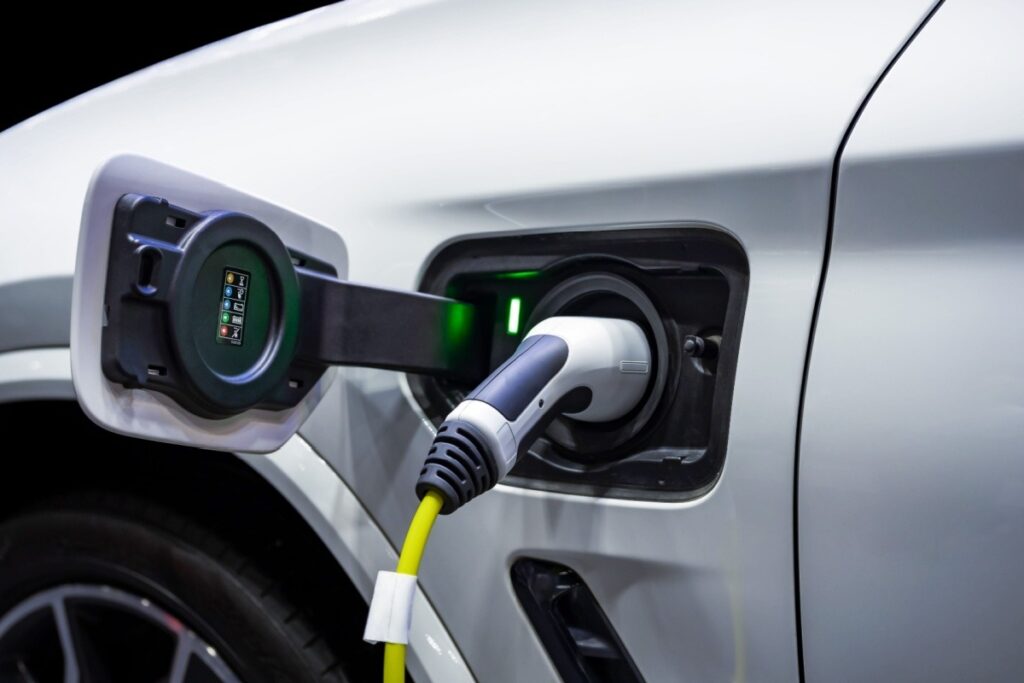
As electric vehicles become more common, many homeowners are thinking about adding a charging station at home. The choice often comes down to understanding the difference between a level 1 EV charger and a level 2 EV charger. Each option delivers electricity to your vehicle in a different way, and the right choice depends on how you drive, how your home is wired, and how quickly you want your car ready to go.
Working with a licensed electrician helps take the guesswork out of this decision. A professional can evaluate your electrical service, explain charging speed differences, and help you choose an EV charger that fits your vehicle and lifestyle.
How EV Chargers Work at Home
Home EV chargers convert household electricity into usable power for your vehicle battery. The charging station communicates with the car to control voltage, manage energy flow, and protect electrical wiring during operation.
Both level 1 and level 2 EV chargers rely on existing infrastructure, but they use different volt ratings and electrical connections. Understanding these basics makes it easier to compare performance, cost, and installation needs.
Charging Levels and Industry Standards
Charging equipment follows standards established by organizations such as the National Electrical Manufacturers Association. These standards help regulate safety, compatibility, and performance across the automotive industry. Most modern EV chargers also support features like smart charging, which helps manage load and reduce strain on utility systems during peak hours.
What Is a Level 1 EV Charger?
A level 1 EV charger uses a standard household outlet to charge an electric car. This setup delivers electricity at a lower voltage and does not require specialized installation in most homes.
How Level 1 Charging Works
Level 1 charging typically uses a 120 volt outlet. The charging cable often comes with the electric vehicle, making it the most accessible option for new owners.
Because it draws less power, the charging speed is slower. Many drivers rely on overnight charging to replenish daily driving needs.
Advantages of Level 1 EV Chargers
Level 1 chargers appeal to drivers with short commutes or low daily mileage. They offer convenience without upfront installation costs. Benefits include:
- No added charging station expense
- Minimal impact on existing circuit breaker capacity
- Easy setup using existing electrical wiring
Limitations of Level 1 Charging
The slower speed can be a drawback for drivers who rely on their vehicle frequently. Charging from near empty to full can take a full day or longer, depending on battery size. Homes with limited outlet access near parking areas may also find level 1 charging less practical.
What Is a Level 2 EV Charger?
A level 2 EV charger delivers electricity at a higher voltage and requires a dedicated charging station. This option is popular with homeowners who want faster charging and greater flexibility.
How Level 2 Charging Works
Level 2 chargers typically operate at 240 volts and connect directly to your electrical panel. This setup allows more energy to flow to the vehicle, reducing charging time significantly. Most level 2 EV charger installations require professional service to handle electrical wiring, circuit breaker upgrades, and voltage compatibility.
Advantages of Level 2 EV Chargers
The biggest benefit is speed. A level 2 EV charger can fully recharge many electric vehicles overnight, even with longer daily driving. Additional advantages include:
- Faster charging speed for busy schedules
- Support for smart charging features
- Compatibility with most electric car models and the combined charging system
Considerations Before Installing Level 2 Charging
Installation cost is higher due to electrical upgrades and labor. Factors such as distance from the panel, existing load capacity, and utility requirements all affect price. A licensed electrician evaluates your home to determine if load management adjustments or service upgrades are needed before installation.
Comparing Level 1 vs Level 2 EV Chargers
Choosing between charging levels often comes down to balancing convenience, speed, and cost. Each option serves a different type of driver and household. It is not about one being better overall, it is about matching the charger to your usage patterns and electrical setup. That distinction matters when planning long-term ownership.
Charging Speed and Daily Use
Level 1 charging adds fewer miles of range per hour compared to level 2 charging. For drivers who return home with low battery levels, this difference can affect daily routines. Level 2 chargers support faster turnaround, which benefits households with multiple vehicles or longer commutes.
Cost and Rebates
Level 1 chargers involve little to no upfront cost beyond basic equipment. Level 2 chargers carry a higher price due to the equipment and installation.
Some utility providers and government programs offer rebates to help offset costs. These incentives can make upgrading to a level 2 charging station more affordable.
Electrical Requirements and Safety
EV charger installation is not just about plugging in equipment. Electrical safety plays a major role in protecting your home and vehicle.
Circuit Breakers and Wiring Capacity
Level 2 chargers often require a dedicated circuit breaker and upgraded electrical wiring. This setup helps manage voltage and prevent overload during charging sessions. An electrician reviews panel capacity and evaluates how the added load affects the rest of your home’s electrical system.
Smart Charging and Load Management
Smart charging technology allows chargers to adjust power delivery based on energy demand. This helps balance household usage and reduce strain on the utility grid. Load management features are especially helpful in homes with multiple high-demand appliances or future plans for additional electric vehicles.
Compatibility With Electric Vehicles
Most modern EV chargers are designed to work with a wide range of vehicles. Charging stations follow standardized connectors and communication protocols. Manufacturers across the automotive industry support compatibility, making it easier to choose equipment without worrying about future vehicle changes.
Planning for the Future of Electric Vehicles
As electric vehicles become more common, home charging infrastructure plays a bigger role in daily convenience. Investing in the right charging station prepares your home for future transportation needs.
Factors like rising electricity demand, evolving utility programs, and changing vehicle technology make professional planning valuable. An experienced electrician helps future-proof your setup while managing installation cost and performance.
Schedule EV Charger Installation With Grasser Electric
Choosing between a level 1 EV charger and a level 2 EV charger is an important decision that affects how you use your electric vehicle every day. Professional guidance helps you avoid compatibility issues, electrical hazards, and unexpected expenses while maximizing charging performance.
At Grasser Electric, our electricians specialize in EV charger installation, electrical service upgrades, and charging station planning. We help homeowners select the right equipment, manage electrical load, and complete installations that support safe and reliable charging.
If you are ready to install EV chargers at home or want expert advice on the best charging option for your vehicle, contact Grasser Electric today. Our team is ready to help you power your electric car with confidence and convenience.