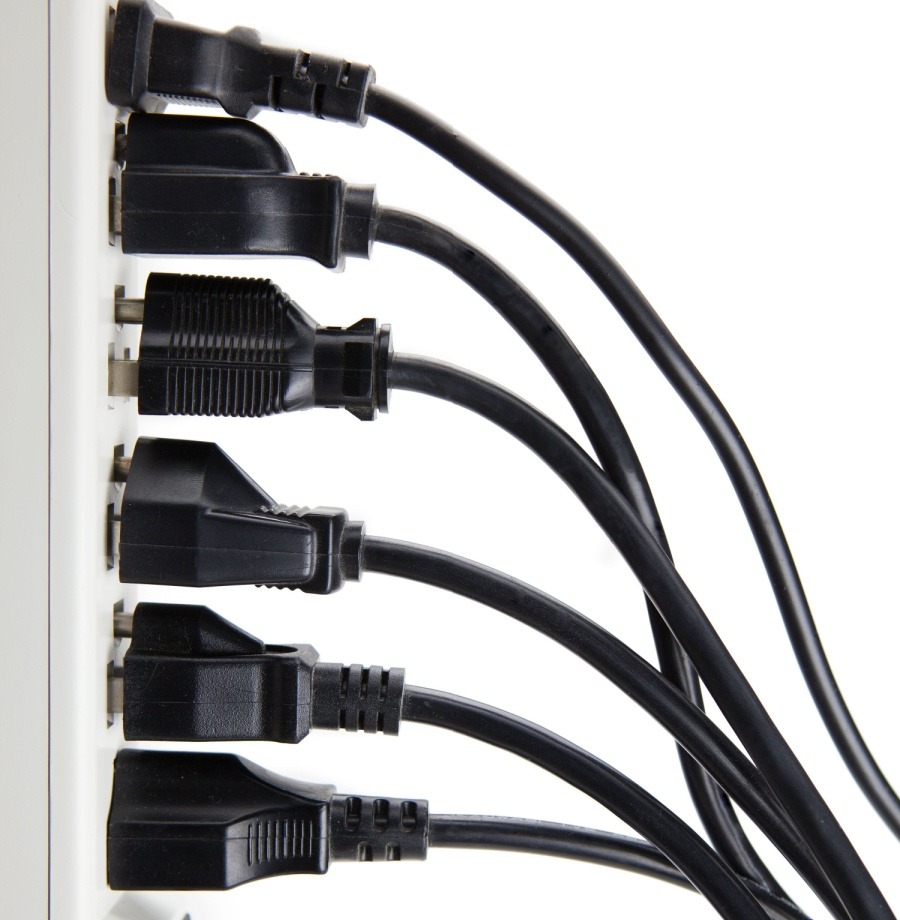
Electricity powers almost every part of daily life. From charging your laptop to running your air conditioning and home appliances, each outlet in your house plays an important role in keeping your home functional. However, plugging too many devices into a single outlet can cause serious electrical problems. It may seem harmless to load a power strip with gadgets, but inside the wall, your wiring could be straining under the pressure.
Knowing how many devices your outlets can safely handle will help protect your home, your electronics, and your family. As the greater St. Louis area’s go-to electrical contractors, we can explain what happens when you overload an outlet and what the sweet spot really is.
What Happens When You Plug Into an Outlet
Every outlet is connected to your home’s electrical wiring, which carries current through a dedicated circuit. That circuit delivers a specific amount of voltage and current, typically 120 volts on a 15- or 20-amp line. When you plug in a lamp, a computer, or a small appliance, electricity travels through the wire from the breaker panel to the outlet and then to the device.
Each circuit can only deliver a certain amount of electric power safely. When too many devices draw current through the same wire, the breaker will trip to cut off the power supply and prevent overheating. If your breakers trip often or if the same outlets keep losing power, that should serve as a clear signal that the circuit is overloaded.
An electrician from Grasser Electric can check the circuit, identify overloaded areas, and recommend the best way to balance your power usage.
Why Overloading an Outlet Is a Real Hazard
An overloaded outlet is not just inconvenient. Excessive current can generate dangerous levels of heat behind the wall, leading to melted insulation, damaged internal contact points, or even combustion of flammable materials.
Signs of an overloaded circuit include:
- Outlets or plugs that feel hot to the touch
- Flickering light fixtures or dimming when larger devices turn on
- Buzzing, crackling, or burning odors from outlets
- Breakers that trip repeatedly or refuse to reset
Overloading also reduces the lifespan of your electronics. Repeated voltage fluctuations can harm sensitive components inside devices like computers and televisions.
How Many Devices Can You Safely Plug In?
The number of devices you can safely plug into a single outlet depends on how much energy each device consumes. For instance, a phone charger barely affects your power load. However, more heavy-duty appliances, such as a space heater, portable air conditioning unit, or microwave, can demand nearly all the available capacity on one circuit.
A 15-amp circuit can safely provide around 1,800 watts of electricity, while a 20-amp circuit offers up to 2,400 watts. To prevent overheating, most experts recommend staying below 80 percent of a circuit’s capacity. That means keeping the total load under about 1,400 watts on a 15-amp line.
When your television, gaming console, and laptop are all plugged into the same outlet, they likely share the same circuit. Add a high-powered appliance, and that load can quickly exceed the limit. If this happens, you may need additional outlets or a dedicated line for heavy-use gear.
The Truth About Power Strips, Surge Protectors, and Extension Cords
So power strips and surge protectors must be the answer, then, right? While convenient tools they might be, they can give a false sense of security. A power strip does not increase the amount of electricity available from the wall. All devices plugged into it still draw power from the same wire and circuit.
A surge protector, on the other hand, is designed to protect your electronics from voltage spikes. These spikes can occur during lightning storms, power outages, or sudden surges in the electrical grid. Surge protectors absorb that excess voltage and prevent it from reaching your computer, television, or other sensitive electronics. The level of protection is measured in joules; the higher the joule rating, the more energy it can absorb before failing.
But no surge protector lasts forever. Over time, the protective components wear out. A quality surge protector should be replaced every few years, especially if it has endured several power surges.
Extension cords are another short-term solution that many homeowners rely on too often. They can help temporarily extend power to hard-to-reach areas, but they are not meant to support high-wattage devices long-term. Continuous use can cause heat buildup and damage to both the cord and outlet. If you frequently use extension cords around your home, that may be a sign you need to add more permanent outlets through professional electrical service.
Electrical Code and Safe Power Distribution
The National Electrical Code (NEC) sets strict rules for the installation of outlets, circuits, and electrical wiring. These codes help protect homes from fire, shock, and equipment damage. They specify limits on current, spacing for outlets, and how circuits should be divided.
Many older homes in the greater St. Louis area were built before modern energy demands became common. At that time, few houses needed to power multiple computers, televisions, and home servers all at once. If your electrical system is outdated, it might not meet today’s safety standards or energy needs.
A licensed electrician can evaluate your system and confirm that your wiring, breaker panel, and outlets comply with current electrical code. They can also recommend upgrades such as dedicated lines for major appliances or an uninterruptible power supply (UPS) to keep your critical electronics safe during a power outage.
When to Replace or Repair Outlets
Outlets and power strips wear down over time. If plugs no longer fit snugly, or if you notice scorch marks or hear faint sizzling, the outlet may need replacement. Loose contacts inside the receptacle can create arcing, which produces heat and can start a fire.
You should also replace any outlet that feels warm, smells like burning plastic, or shows signs of discoloration. When replacing, use outlets rated for the correct voltage and consider installing tamper-resistant models for added safety.
An electrician can repair or replace outlets safely, inspect the wiring behind your walls, and confirm that your home’s circuits are distributing power properly. They can also add new outlets where needed, upgrade light fixtures, and make your electrical system more efficient overall.
Call Grasser Electric for Safe, Reliable Power
Every home relies on electricity, but few homeowners realize how easily a single outlet can become overloaded. If you’re using too many power cords or your breaker trips often, your electrical system may need attention.
Grasser Electric provides trusted residential electrical service throughout the greater St. Louis area. Our licensed electricians specialize in safe wiring, outlet replacement, surge protector installation, and full electrical system upgrades that are up to code and meet all modern standards. We handle everything from simple outlet repair to large-scale electrical improvements that protect your family and your home.
Do not wait for a power outage, voltage spike, or damaged electronics to remind you about electrical safety. Contact Grasser Electric today to schedule professional electrical service. Our team is ready to replace faulty outlets, upgrade wiring, and protect your home from the risks of overloaded circuits.